
The R.E.A.L. Neurodiverse™ Credentialing Pathway
Where Neurodiversity-Affirming Practice Meets Systems Rigor
Credentialing that equips providers with a clear, neurodiversity-affirming framework for understanding Level 1 autism and related neurodivergences in adulthood, with focuses on individuals, intimate life partnerships, and family relationships.
Credentialing System
The R.E.A.L. Neurodiverse™ Credentialing System offers a structured, developmentally-sequenced path for providers who support Level 1 autistic adults, their families and life partners. The credentials reflect increasing levels of competence, access to advanced tools, and clinical responsibility within neurodiverse relational systems.
Neurodiverse Family Systems
Credential Tiers
Structured, progressive, and grounded in real-world use, each level supports deeper access as provider insight grows.

NFS-E
Neurodiverse Family Systems - Educator
What is the NFS-E Credential?
The NFS-E (Neurodiverse Family Systems — Educator) credential is the entry-level professional certification for providers working with Level 1 autistic adults, their families, and intimate life partners. It is based on Anne MacMillan's R.E.A.L. Neurodiverse™ Family Systems Theory and the 10-Step R.E.A.L. Approach
Who is it for?
This credential is ideal for therapists, psychologists, coaches, social workers, clergy, domestic violence advocates, and other professionals seeking to improve their ability to support neurodiverse family systems.
What does it provide?
NFS-E providers receive official certification and gain access to:
• Client-facing programs
• Psychoeducational videos
• Provider tools and implementation guides
• The seven integration modalities of the R.E.A.L. Neurodiverse™ Framework
• Family and intimate life partnership structured integration discussions
• Formal quantitative empathy spectrum assessments
• Structured reflection materials via the UnitusTI platform
Access Requirements:
• Each practice must have at least one NFS-E certified provider to access the R.E.A.L. programming.
• Solo practitioners must complete the credential individually.
Eligibility Criteria:
Applicants must meet one of the following:
• Hold a bachelor's degree or post-bachelor's certificate in a relevant field (e.g., psychology, social work, education, divinity, domestic violence),
OR
• Hold a bachelor's degree in any field AND have at least 10 years of lived experience with Level 1 autism in adulthood, either as an autistic individual or through a direct family/partnership role.
Completion Requirements:
• Watch all required instructional content
Score 90%+ on all subsection check-in questions
• Complete all written reflection questions
• Score 90%+ on each final quiz
• Pass the final exam with at least 85% (680 out of 800 points)
Why it matters:
This is the first credential grounded in a trauma-informed, neurodiversity-affirming theory of family relationships. It moves beyond autism awareness toward practical tools that support relational insight, systems transformation, and provider confidence.
Post-Credential Support:
Credentialed providers receive access to tools, videos, and step-by-step implementation materials to help them apply the R.E.A.L. Approach directly within their practice.
NFS-S
Neurodiverse Family Systems - Specialist
What is the NFS-S Credential?
The NFS-S (Neurodiverse Family Systems – Specialist) credential is an advanced certification for providers who have demonstrated consistent, effective use of the R.E.A.L. programs. It marks a transition from foundational implementation to systems-aware relational work.
Who is it for?
Providers ready to support nuanced insight not only within individuals but across family systems, with greater structure, discernment, and clinical responsibility.
Eligibility Criteria:
To qualify for acceptance into the NFS-S training program, applicants must have met ALL of the following requirements:
• Hold an active Neurodiverse Family Systems Educator (NFS-E) credential for a minimum of one year
• Document a minimum of 100 hours of applied use of the R.E.A.L. Neurodiverse™ programs with clients at the NFS-E level
• Complete the supplemental Individual Empathy Spectrum Plot™ (IESP™) certificate
• Document use of the IESP™ (Process 1, Part 1) with a minimum of 5 clients
Completion Requirements:
To be awarded the Neurodiverse Family Systems Specialist (NFS-S) credential, applicants must meet all of the following requirements:
• Successfully complete the full NFS-S training curriculum and credentialing examination
• Complete a minimum of 12 hours of individualized clinical supervision under a credentialed NFS-P provider who is also an accredited R.E.A.L. Neurodiverse™ NFS trainer
• Document at least 75 hours of applied use of the R.E.A.L. Neurodiverse™ programs with clients during the NFS-S training period
What does it provide?
NFS-S providers gain access to advanced relational tools, including:
• The Theory of Mind Dyadic Tool (ToM-DT)
• ToM-DT Video Interaction Analysis (ToM-DT VIA)
• Other-Report Emotion-Origin Awareness (EOA) and Empathic-Emotion Intensity (EEI) Empathy Spectrum Assessments
• Step 6 Neurodiverse Relationship Dynamics™ (NRD™) quantitative assessments and associated tools
NFS-P
Neurodiverse Family Systems - Practitioner
What is the NFS-P Credential?
The NFS-P (Neurodiverse Family Systems – Practitioner) credential is the highest level of certification. It is designed for providers engaging with complex trauma dynamics in neurodiverse family systems and reflects the ability to maintain ethical containment and clarity across layered systems.
Important Clarification:
These programs are not trauma therapy and do not authorize trauma excavation. Rather, they provide structure and insight to help clients understand how trauma shapes relational experience and healing capacity.
Eligibility Criteria:
To qualify for acceptance into the NFS-P training program, applicants must have met ALL of the following requirements:
• Hold an active Neurodiverse Family Systems Educator (NFS-S) credential for a minimum of one year
• Document a minimum of 150 hours of applied use of the R.E.A.L. Neurodiverse™ programs with clients at the NFS-S level
ª Document use of the Step 6 Neurodiverse Relationship Dynamics™ (NRD™) Suite with a minimum of 5 clients
Completion Requirements:
To be awarded the Neurodiverse Family Systems Practitioner (NFS-P) credential, applicants must meet all of the following requirements:
• Successfully complete the full NFS-P training curriculum and credentialing examination
• Complete a minimum of 12 hours of individualized clinical supervision under a credentialed NFS-P provider who is also an accredited R.E.A.L. Neurodiverse™ NFS trainer
• Document at least 75 hours of applied use of the R.E.A.L. Neurodiverse™ programs with clients during the NFS-P training period
What does it provide?
NFS-P providers gain access to trauma-informed tools, including:
• Step 7 trauma-focused quantitative assessments and mapping tools
• Coordinated Step 4 empathy subscale assessments across all five empathy spectrums
• Skill-building exercises tailored to each empathy subscale for targeted growth
Ethical Guardrails
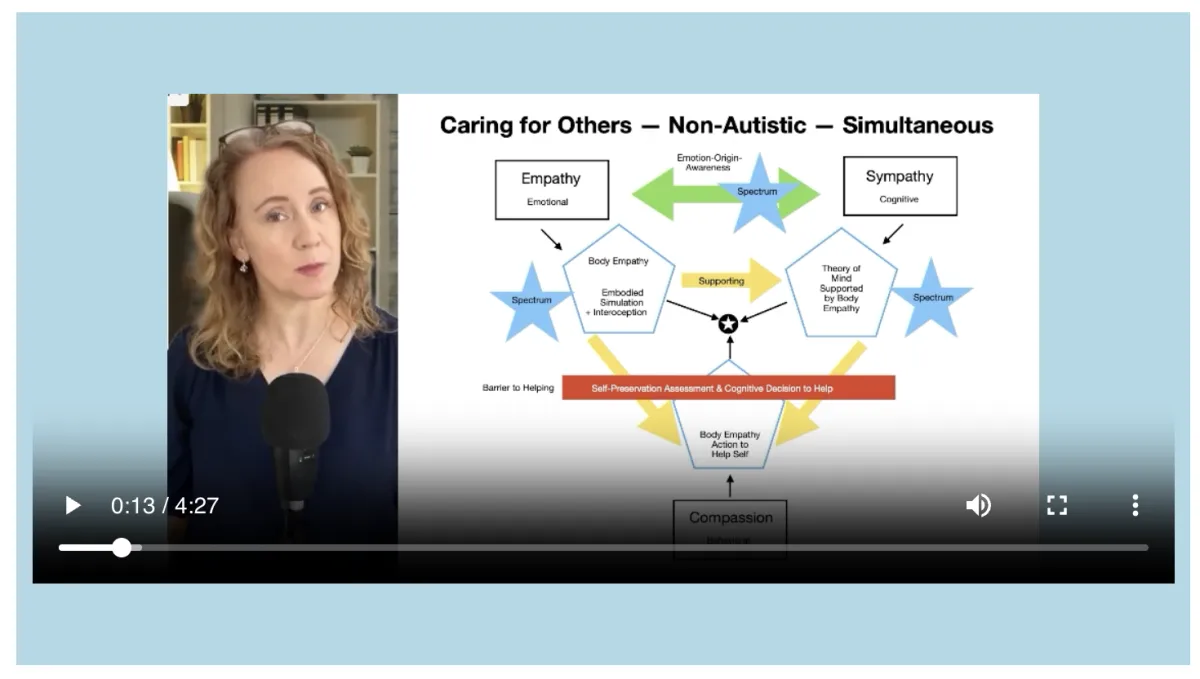
Why are advanced tools restricted?
Advanced tools require sophisticated systems insight and ethical application across multiple nervous systems. Limiting access ensures safe use and fidelity to the model.
Is it required to pursue advanced credentials?
No. The NFS-E credential alone provides the tools needed for meaningful individual and relational growth. Advanced credentials are entirely optional.
What principle guides advancement?
Competence before complexity. Providers are supported in gradually expanding their capacity before taking on higher-impact tools and responsibilities.
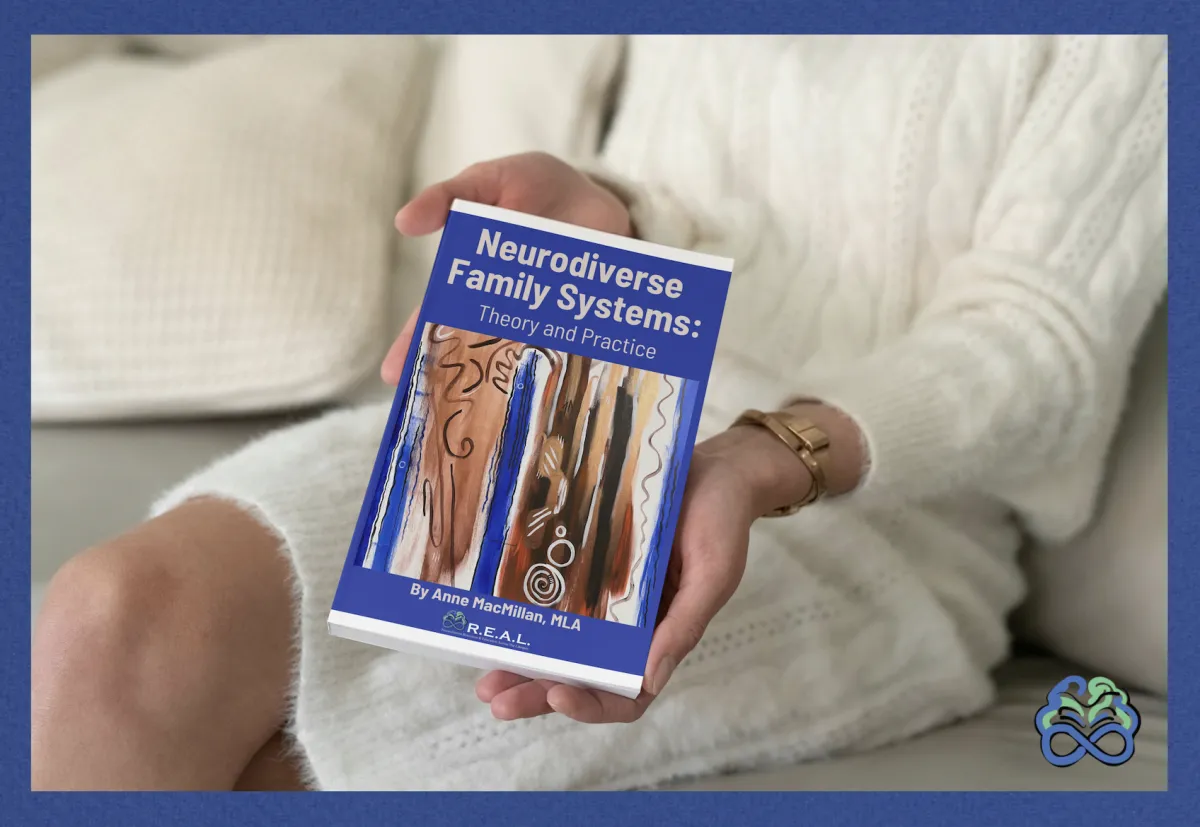
Pre-Order Your
Copy Today
Neurodiverse Family Systems: Theory and Practice
By Anne MacMillan, MLA
© 2026 R.E.A.L. Neurodiverse™
All Rights Reserved
anne@REALneurodiverse.com
Text: (617) 489-2913 (United States)