Your Leaders Are Already Managing Neurodiversity
And most of them don't know it
"Most neurological differences have no name. Most go unspoken. And the friction they produce — between managers and direct reports, across teams, in performance conversations — is one of the most common and least understood sources of workplace difficulty today."

Awareness training cannot give a leader what they actually need.
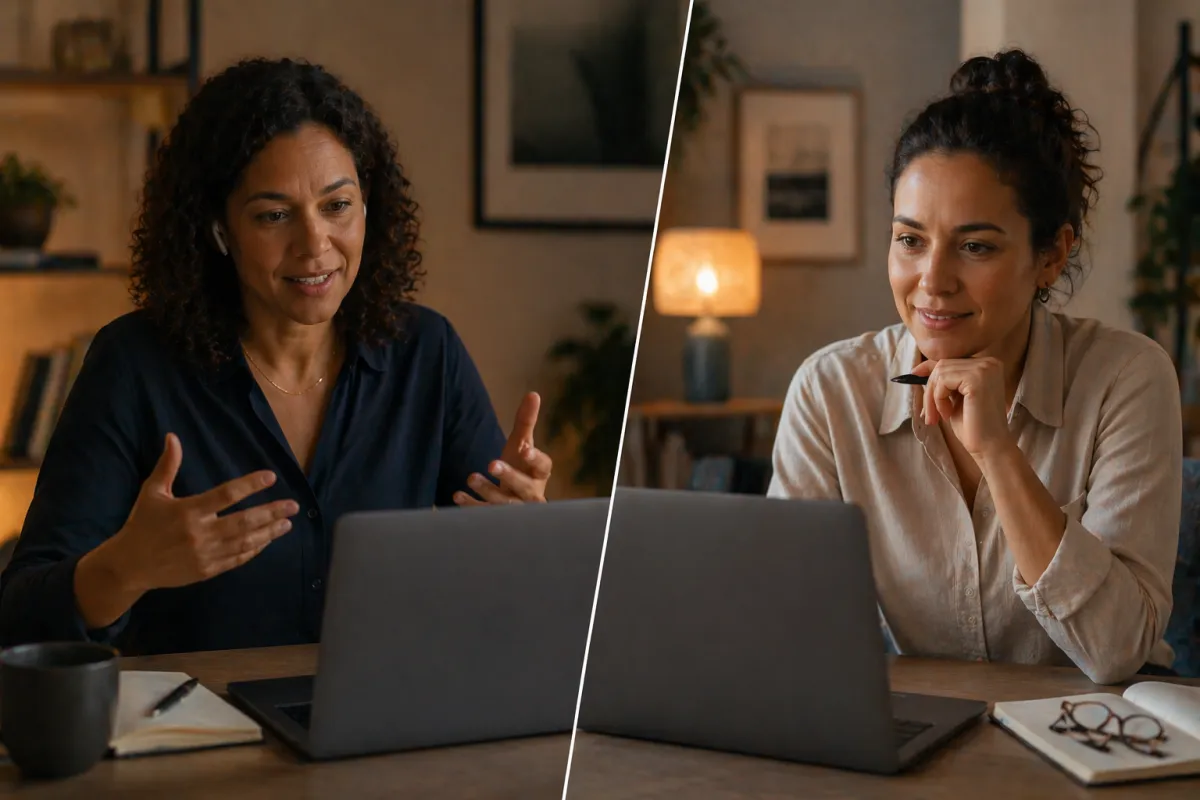
Your workforce is already neurodiverse. Some of those neurological differences have a name. Most do not. And the friction they produce — chronic miscommunication, performance conversations that go sideways, the talented employee who keeps being misread — is happening in your organization right now.
Most diversity training cannot touch any of this. Awareness alone doesn't give a leader the skills to communicate across genuinely different ways of processing, perceiving, and connecting. It names the territory without equipping anyone to navigate it.
You've sat through a performance conversation that felt like two people speaking different languages — and neither of them knew why.
You've watched a capable manager and a high-performing employee grind each other down, meeting after meeting, with no one able to name what was actually happening.
You've invested in training that raised awareness and changed nothing.

This program is built for what comes after awareness.
THE PROGRAM
The R.E.A.L. Neurodiverse™
Foundational Leadership Development Pilot
A confidential, six-month coaching pilot for individual leaders inside your organization. Each participating leader receives short, neurodiversity-affirming video modules paired with three private, one-on-one coaching sessions — grounded in a framework developed over years of applied family-systems work.
The same patterns that surface in neurodiverse families and couples — the signal confusion, the masking that hides exhaustion until something breaks, the chronic miscommunication that no amount of goodwill resolves — also surface at work. This program brings that clinical lens, and a structured way to work with it, into the leadership context.
WHAT YOUR ORGANIZATION RECEIVES
Leaders who can do something different on Monday Morning
Foundational Leadership Development Pilot
Measurable growth in leader confidence navigating neurodiversity-related situations
A leadership cohort with skills that persist well beyond the six-month window
A pilot model designed to inform a larger rollout if the outcomes warrant it
Pre- and post-assessment data, de-identified and aggregate, showing pilot-level outcomes
A confidential developmental experience that leaders actually engage with honestly
WHAT MAKES IT DIFFERENT
Built Differently, At Every Level
👩💼
Coaching, not a workshop
Each leader works one on one. Conversations are private, tailored, and grounded in their actual role and relationships — not a room full of colleagues watching them respond.
♾️
Affirming, not diagnostic
No one is assessed, labeled, or pathologized. Leaders learn to recognize the range of ways human nervous systems function — and to lead skillfully across that range.
🧭
Clinical depth, not a corporate trend
The R.E.A.L. Neurodiverse™ system was developed for therapists, counselors, and family professionals working with neurodiverse adults and couples. This is that depth, brought into the workplace.
🔒
Confidential by architecture
The R.E.A.L. Neurodiverse™ system was developed for therapists, counselors, and family professionals working with neurodiverse adults and couples. This is that depth, brought into the workplace.
HOW IT WORKS
Each Leader Sets Their Own Pace Across Six Months:
📹 1. Neurodiversity-Affirming Video Modules
Short, structured videos delivered through a private learning portal. Leaders watch these on their own time before each coaching session, building the foundational understanding that makes the coaching go deeper, faster.
👩💼 2. Three Private Coaching Sessions
One-on-one coaching with a R.E.A.L. Neurodiverse™ coach, spaced across the pilot. These are conversations tailored to the leader's actual situations and relationships — not lectures, and not group sessions where the stakes of honesty feel higher.
📊 3. Pre- and Post- Assessments
A short quantitative questionnaire at the start and end of the pilot to help measure your growth in confidence navigating neurodiversity. Your responses are de-identified and never shared with your employer by name.
🌱 + Optional Additional Sessions
When leaders want to go further, additional sessions are available by mutual agreement. The pilot structure has a defined shape — but the work doesn't have to stop there.
WHO THIS IS FOR
You've Noticed the Friction. You Just Haven't Had Language For It.
Every workforce is neurodiverse. The question is never whether your leaders are navigating neurological difference — it's whether they have the skills to do it well. This program is for organizations ready to invest in that capacity, not just awareness of it. It works especially well where knowledge workers, technical or research staff, clinical or creative teams make up a significant part of the workforce — but the foundation it builds is relevant anywhere people manage people.
WHY NOW — FROM ANNE
The pattern I kept seeing, in family work and in every organization I've touched since.
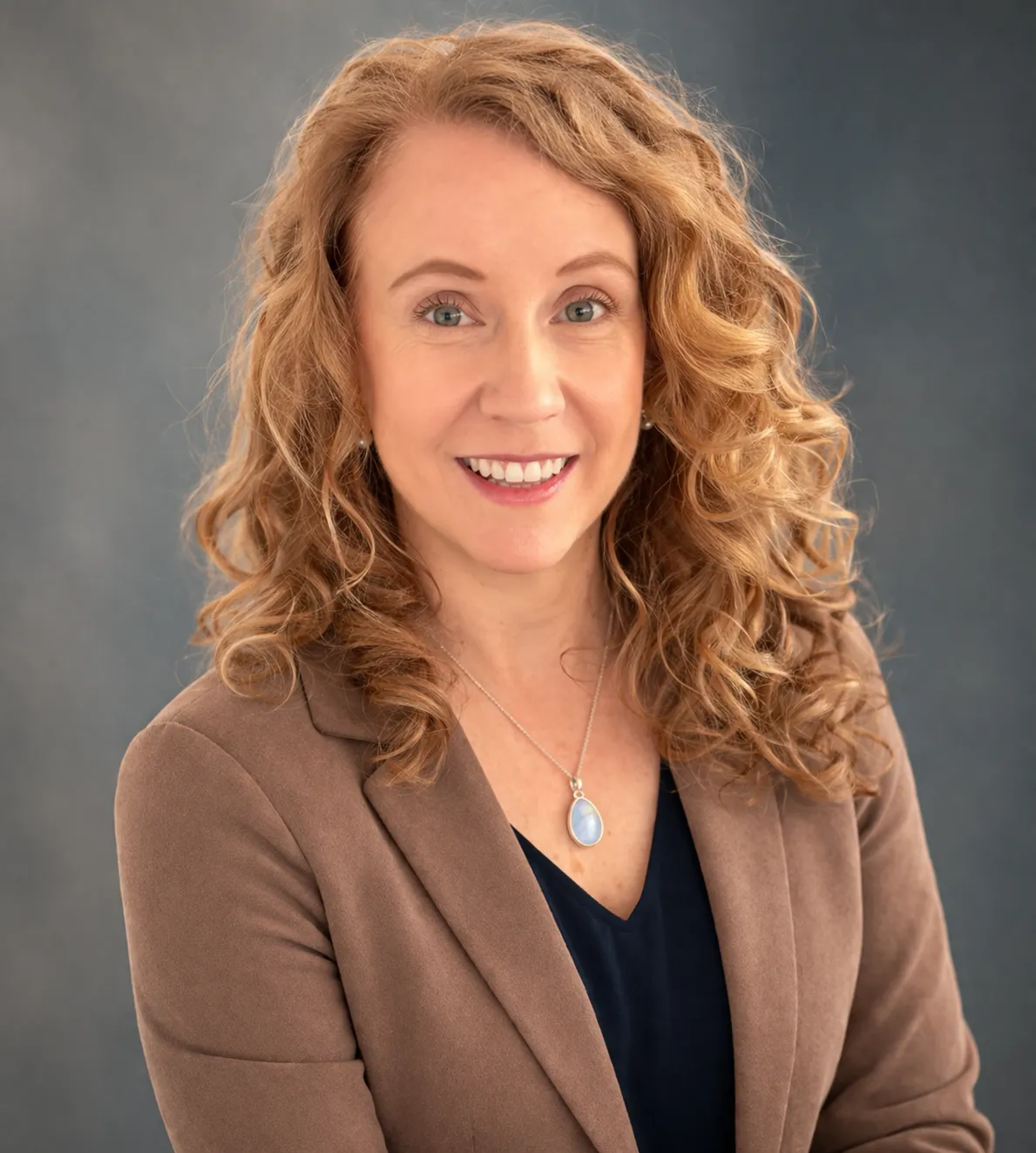
Anne MacMillan, MLA
What I kept seeing, in family work and then in every organizational context since, is that people with different neurologies genuinely struggle to see the world from each other's perspective. This isn't a character flaw on either side. It's what researchers call the double empathy problem: when two people process the world differently, each one's attempts to connect tend to land wrong for the other, and neither one knows why.
In families, this shows up most painfully around boundaries. In workplaces, where people are under constant pressure to complete tasks and move projects forward, it shows up as friction that never quite resolves. Non-autistic colleagues rely heavily on facial expressions and body language to communicate what they need and where their limits are, signals that autistic colleagues often aren't receiving. Autistic colleagues communicate directly and literally, in ways that can read as boundary violations to people who weren't expecting that register. Nobody is trying to cause harm. But the misreads stack up, and without a framework for understanding what's actually happening, they get attributed to personality, attitude, or intent. And that's where things go wrong.
Anne MacMillan, MLA is the developer of the R.E.A.L. Neurodiverse™ framework, built over years of applied family-systems work with neurodiverse adults, couples, and families. The framework is designed for therapists, counselors, social workers, coaches, clergy, and other helping professionals who need more than awareness to support neurodiversity. The Foundational Leadership Development pilot brings that same depth into the workplace.
PRIVACY ARCHITECTURE
The confidentiality structure is not a feature.
It's why the program works.
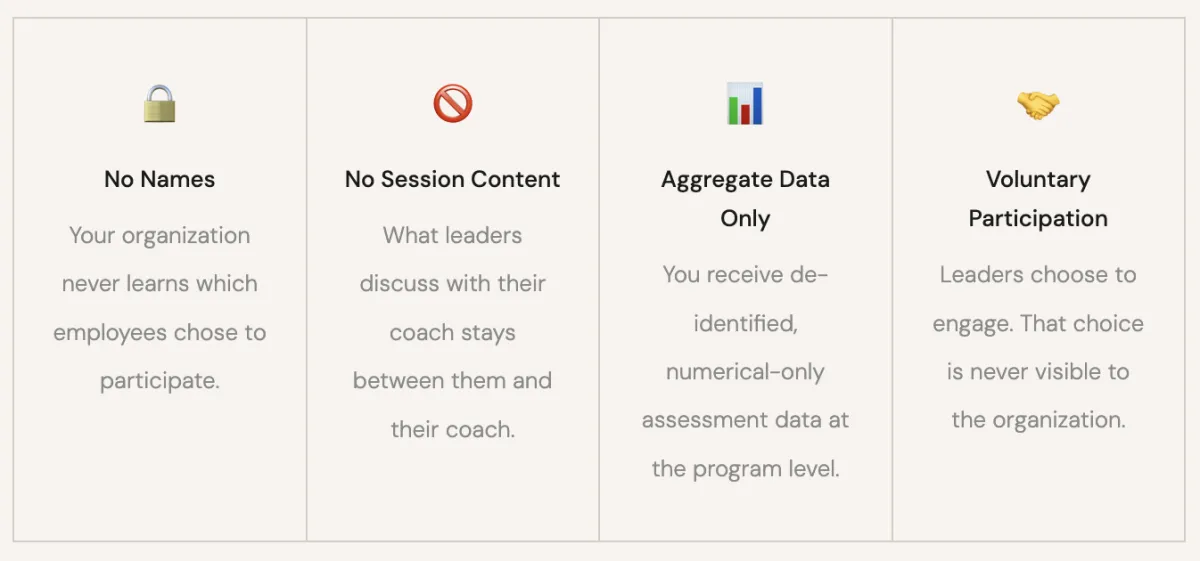
Leaders engage more honestly, ask harder questions, and change more meaningfully when they know nothing they say will appear in a personnel file. The privacy architecture is load-bearing.
The Next Step Is A Conversation
I'll walk you through the program in detail — the privacy architecture, the time commitment for your leaders, and what a pilot would look like inside your specific organization. No obligation to move forward.


